

The motor may not be the only cause
Roller Shutter Motor Faults
When a roller shutter stops moving, the motor is often the first suspect — but it is not always the cause. The problem may sit in the controls, the wiring, the power supply, the limit settings or even mechanical resistance from a jammed shutter. Jumping to a new motor without a proper diagnosis can be an expensive mistake.
Unity Shutters treats motor work as a diagnostic job first. We check the electrical and mechanical system, identify the actual fault, and then give you a clear choice between repair and replacement — before any work begins.
Signs of a Roller Shutter Motor Problem
Motor Makes Noise but the Shutter Does Not Move
A humming or grinding motor with no movement usually means the motor is receiving power but cannot drive the shutter. The cause can be mechanical resistance, a worn brake or gearbox, or a motor that has lost torque.
Shutter Stops Partway
A shutter that stops mid-travel often points to a limit switch or control problem, or to a motor straining under load. We test the travel and the settings to find the cause.
Intermittent or Unresponsive Operation
Operation that works sometimes and fails at others suggests a loose connection, a failing switch, a control panel issue or a motor thermal cut-out. Intermittent faults are diagnosed on site with the system in operation.
Shutter Moves Slowly or Unevenly
Slow or uneven movement can mean the motor is underpowered for the shutter, the brake is dragging, or there is mechanical resistance in the guides or drive. We measure the operation to identify where the load is coming from.
Motor Overheats or Repeatedly Cuts Out
If the motor runs hot or trips its thermal protection, it may be undersized for the shutter, operating with mechanical resistance, or nearing the end of its life. Continuing to run it can cause further damage.
Controls or Switches Do Not Respond
No response from switches or remotes is often an electrical or control fault rather than a motor fault. We check power supply, wiring, switches, remotes and the control panel before concluding that the motor itself is at fault.
Motor Fault Diagnosis
Our diagnosis starts with what you tell us and what the shutter does when operated. On site, we inspect the electrical supply, the wiring, the controls and the limit settings, and we observe the motor and shutter under operation to isolate the fault.
The purpose of the diagnosis is to avoid replacing parts that are not faulty. Where the motor itself is confirmed as the cause, we then assess whether it can be repaired or should be replaced, and quote accordingly.
Motor Repair or Replacement?
Whether a motor can be repaired or should be replaced depends on the nature of the fault, the motor’s age, the availability of parts and the motor’s compatibility with the shutter. A worn brake or a damaged capacitor may be repairable; a motor with burned-out windings or one that has repeatedly failed is usually better replaced.
We also consider the shutter itself — its weight, how often it is used and the conditions it works in — because the replacement motor must be correctly sized for the load. And we weigh the cost of repair against the reliability a new motor provides. Our recommendation is based on the diagnosis, not on a preference for selling new parts.
Related Components We Inspect
In addition to the motor itself, we inspect the components around it, because a fault in any of these can mimic a motor failure.
- Control switches — checked for wear and correct operation
- Remote controls — checked for pairing, signal and battery
- Limit switches — checked for adjustment and function
- Wiring — checked for loose, damaged or corroded connections
- Brake system — checked for drag or failure
- Bearings and shaft — checked for wear that adds load
- Manual override — checked so it disengages and engages correctly
- Safety sensors — checked where fitted
- Control panel — checked for faults and settings
Our Motor Repair Process
- Collect fault details — from you, including symptoms and the controller type.
- Inspect electrical and mechanical operation — supply, wiring, controls and drive.
- Identify the fault — isolate the true cause before recommending work.
- Explain repair or replacement options — with a quotation before proceeding.
- Carry out approved work — repair or replacement as agreed.
- Test complete shutter operation — full travel, limits and controls.
Motorised Shutter Types We Support
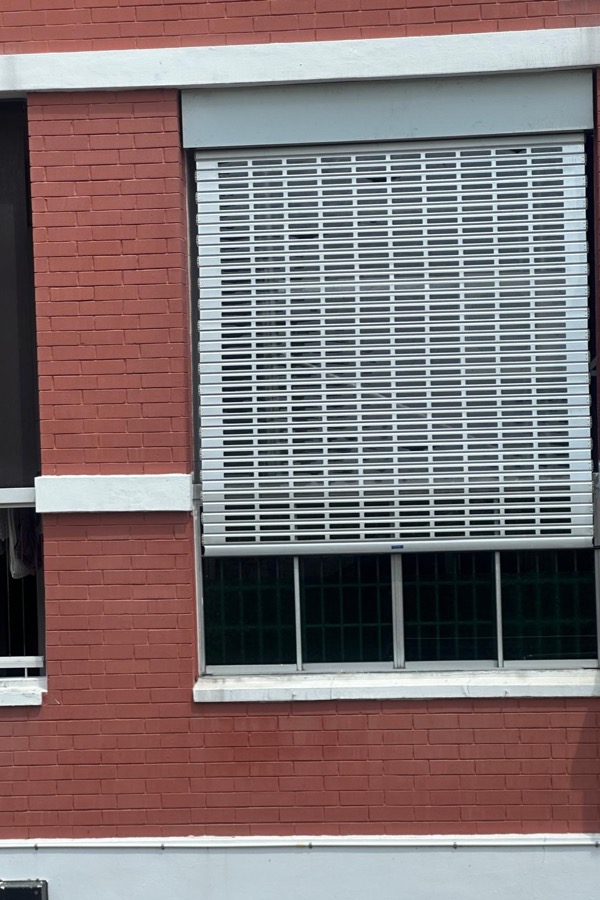
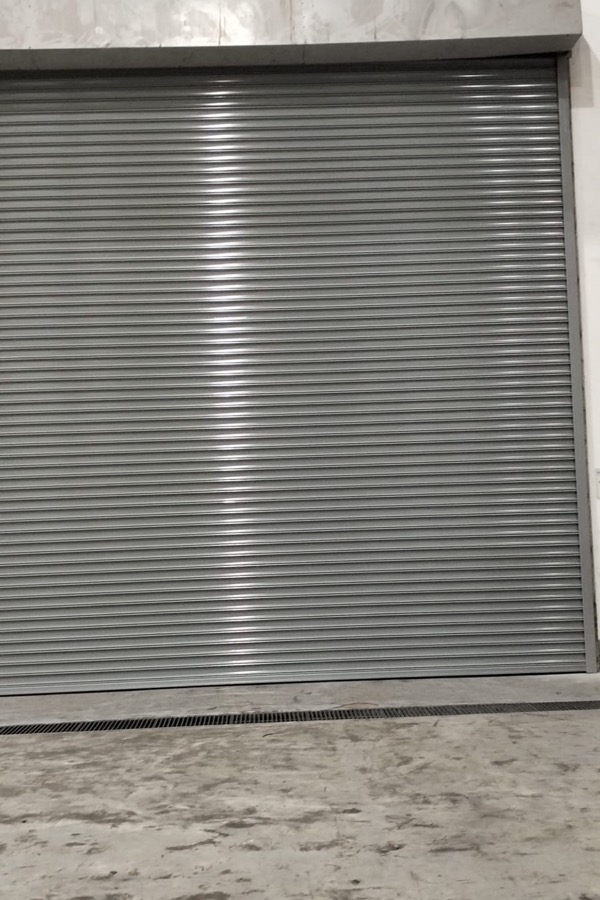
We support all brands and types of motorised roller shutters, including aluminium, steel, polycarbonate and perforated profiles, roller grilles and fire-rated shutters. Our motor work covers shutters used at shopfronts, warehouse doors, factory openings and loading areas. If you are unsure whether we can support your motor or brand, send us the details and we will confirm before arranging a visit.
Request Motor Diagnosis
To request a motor diagnosis, tell us the shutter size and type, whether it is manual or motorised, exactly what happens when you operate it, the type of controller or remote used, and any unusual sounds. Photographs or a video help us prepare. Use our contact page to make an enquiry.
System Diagnosis
Controls, wiring, settings and mechanical resistance are considered before the motor is judged to be faulty.
Compatible Replacement
Where replacement is appropriate, the motor must suit the shutter, its controls and its operating demands.
Frequently Asked Questions
| Question | Answer |
|---|---|
How do I know whether the shutter motor has failed? | You cannot know from the symptom alone — a non-moving shutter can be a control, wiring, power or mechanical problem. That is why we diagnose the system before recommending motor work. |
Can a roller shutter motor be repaired? | Some motor faults can be repaired, such as worn brakes or damaged capacitors. We assess the fault and advise whether repair or replacement is more practical. |
When should the motor be replaced? | When the motor has failed beyond economic repair, parts are no longer available, the motor is underpowered for the shutter, or repeated failures make repair unreliable. We will recommend replacement only when it is the sensible option. |
Can you replace motors from other manufacturers? | Yes. We can replace motors supplied by other manufacturers, provided the replacement is compatible with your shutter and controls. |
How long does motor replacement take? | It depends on the shutter and parts availability. We will confirm the expected time and any need for a follow-up visit. |
Will a new motor work with the existing shutter and controls? | We select a compatible motor and check it against the existing shutter, controls and safety devices. If your controls need updating to match, we will tell you before work begins. |